

Action to take now!
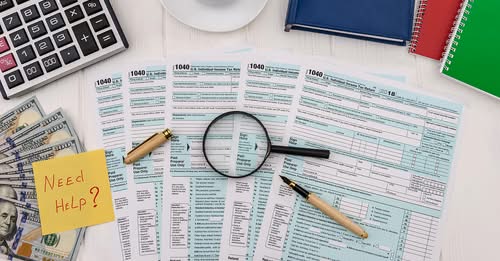
Now is a good time to assess your current situation and address any lingering tax moves that may improve your tax picture for 2026. Here are five things to consider:
1. Check your withholdings. Review your taxable income and the amount of tax you’ve paid to Uncle Sam so far this year. How do the numbers compare to last year? Based on your analysis, you may have to adjust your paycheck withholdings or make estimated tax payments during the balance of the year to avoid underpayment penalties or a surprise tax bill. Remember to pay special attention if:
- You have tip income
- You have overtime income
- Your or your spouse is eligible for the special senior deduction (over age 65).
2. Build up your retirement accounts. Increase your retirement savings during the remainder of the year. Even better, setting aside more money for retirement can lower this year’s tax bill. For instance, if you have a 401(k) plan at work, you can defer up to $24,500 of salary in 2026, plus an extra $8,000 if you’re either age 50 to 59 or 64 and over ($11,250 for ages 60 to 63).
3. Identify potential taxable events. It’s easy to overlook one-time events that will have an impact on your 2026 tax liability. For instance, if you win a prize at a church raffle, the prize is generally taxable to you. Perhaps you changed jobs, lost a child as a dependent, or got married. Each of these events can create a change in your tax obligation. Review your records now to avoid any unpleasant tax surprises later.
4. Consider business property needs. If you acquire business property, you can often choose to write off the cost during the first year the property is placed in service. If it makes sense, consider combining the benefits of the Section 179 expensing deduction, up to a maximum of $2.56 million (indexed for inflation), with 100% bonus depreciation for both new and used property.
5. Account for gig taxes. Finally, workers in the gig economy (like Uber and Lyft drivers) should understand the basic tax rules. Generally, income from such jobs is fully taxable, but you may be entitled to offsetting deductions. Essentially, you’re treated like a self-employed individual. Estimated quarterly tax payments are often required for these workers.
Should you wish a review of your situation, call now. It’s better to be prepared than surprised when it comes to your tax obligation.
| Category: Planning | Published: 05/22/2026 |
|---|
 Velisa Bookkeeping Services LLC