

Don’t forget these ideas to lower your taxes
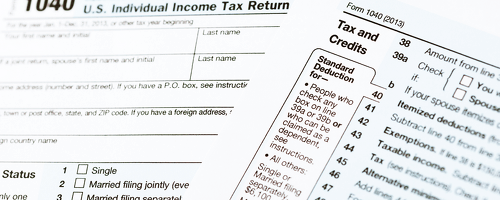
The tax code is about 75,000 pages long, so it’s not surprising there are many overlooked money-saving deductions hidden within it. Check out this list of commonly overlooked deductions. You might wind up with a bigger refund than you expected.
- State sales tax alternative. You can choose to deduct state and local sales taxes rather than state income taxes on a return using itemized deductions. This is especially useful for residents of states that don’t have state income taxes. It can also be used if you made enough purchases during the year that your state sales tax deduction is larger than your state income tax deduction. This is especially important this year as the limit for this itemized deduction category moves from $10,000 to over $40,000!
- Mortgage discount points. When you buy a home you can generally deduct the cost of mortgage discount points to lower your interest rate. A point is a fee equal to one percent of the mortgage amount and it lowers your mortgage’s interest rate. When you refinance a mortgage, you spread the cost of your points over the life of the mortgage. Many taxpayers forget that when they sell their home they can immediately deduct the remainder of the points not yet used as a deduction.
- Student loan interest. You can deduct up to $2,500 in interest paid on student loans from your tax return. This is true even if someone else helps you pay your loans. Parents who have co-signed student loans (creating legal obligation for the debt) often forget that they are also now eligible for the deduction on payments made by them.
- Making alimony and child support mistakes. While most people who pay alimony know it’s tax-deductible for those who pay it on divorce decrees finalized before the end of 2018, it is easy to forget it is NOT taxable income to those receiving it if your divorce was after this date OR there was an amendment to your divorce decree after this date. And remember this law change also impacts the taxability and deductibility of child support payments.
- Re-invested dividends. Many automatically reinvest their dividends within their portfolios. These dividends are taxed when they are paid to you each year, so it is easy to forget to make this adjustment to your tax bill when you sell them at a later date. While this makes your capital gain calculation a bit complex, knowing this keeps you from paying too much in tax.
- Child and dependent care. If you are working and paying for daycare, review this credit on your tax return and with your employer. Both may offer a meaningful tax benefit to you. The same holds true for married couples when both work or are looking for work. And if the benefit exists through your employer, you may still be able to take advantage of the credit through the IRS as long as the qualified expenses are not double counted.
- Self-employment deductions. There are many commonly overlooked benefits for sole-proprietors and S corporation business owners. Chief among them are;
- 1/2 of self-employment tax
- Health insurance premiums. Pay special attention to your W-2 to see if the premium was added to income and know if it is deductible for your situation.
- Contributions to retirement plans. Remember a quick way to reduce your taxable income is to contribute to a retirement plan like a SEP IRA before filing your tax return.
- QBI deduction. Know if you qualify and if your business activity is subject to income limitations for this valuable tax break.
- Other small business tax breaks. There are a number of other special business incentives built into the tax code. This includes special depreciation rules to the now-permanent research credit.
As with any part of the tax code, certain qualifications must be met and limits apply. Please feel free to ask for help if you think any of these ideas apply to you.
| Category: Deductions | Published: 03/20/2026 |
|---|
 Velisa Bookkeeping Services LLC